
Context
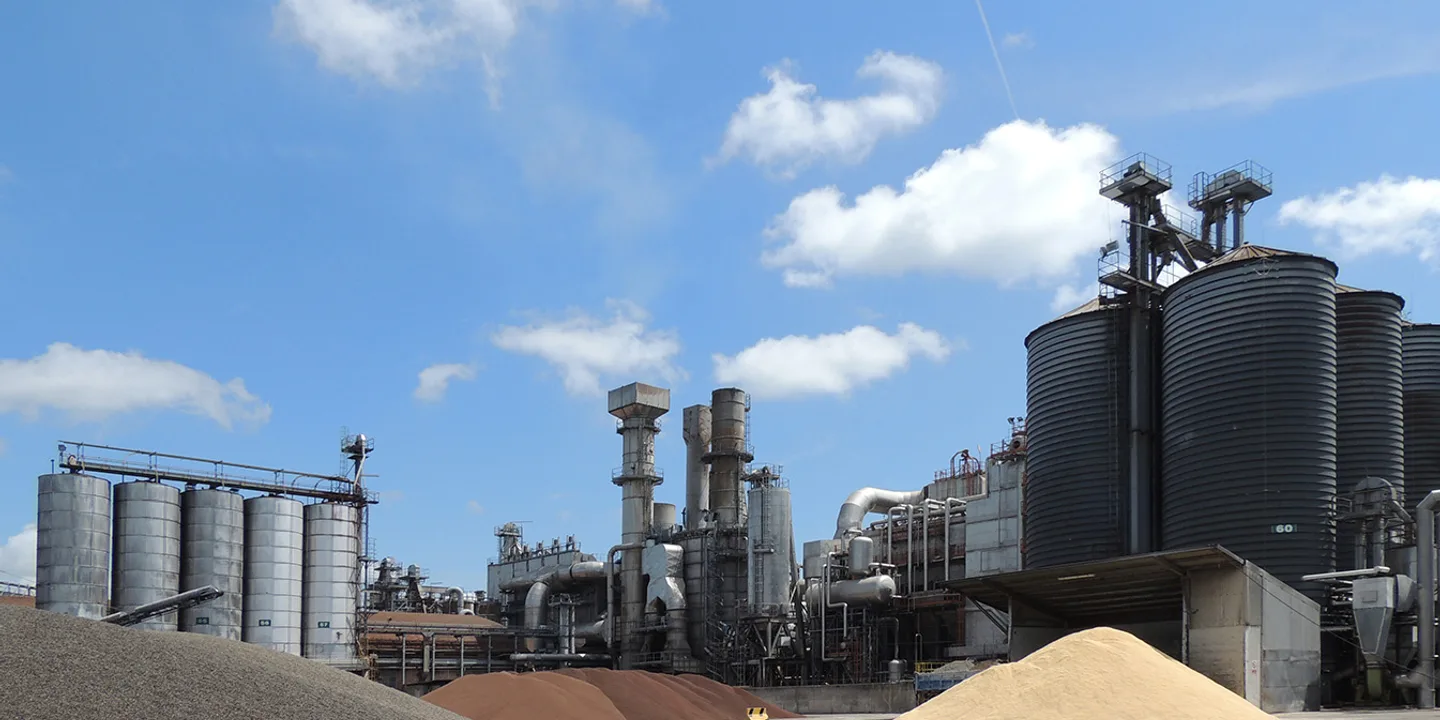
Tampieri operates in vegetable oil processing, renewable energy generation, wastewater treatment, specialty materials and agricultural trading across Italy and Eastern Europe. Work permits are part of daily operations at its industrial sites, defining who can carry out an activity, where and under which conditions.
The permit process relied on paper, spreadsheets and separate tools. Tampieri wanted a single system that staff could use during their shifts, with traceable approvals and support for different sites, roles and languages.
Tampieri selected Outmatic based on our experience with Permit to Work systems in industrial environments.
We began with the Tampieri team by defining the requirements, workflows and operational priorities.
The challenge
The system needed to replace fragmented manual steps, record the permit history and support site-specific roles and permissions. It also had to perform reliably during daily shift use.
The interface needed to make these requirements manageable for the people issuing and approving permits on the plant floor.
Approach
We developed the requirements and architecture with Tampieri through workshops, then refined the system over successive releases.
The platform uses four main technologies:
React for a responsive, modular front-end.
.NET for a back-end built around microservices, with separate responsibilities and independent releases.
MongoDB to store permit types with attributes and variations specific to each site.
AWS to host the platform across multiple sites.
We introduced unit, integration and regression tests during the earliest development iterations to check changes as the platform evolved.
Solution and delivery
Workshops with staff who issue and approve permits helped us identify site-specific rules, escalation paths and exceptions that needed to be represented in the software.
We released the core functions in modules and validated each with Tampieri. The microservices architecture allowed parts of the system, such as approvals and reporting, to be released independently.
We added mobile signatures so that staff could approve and sign permits directly from phones and tablets. This reduced the movement of paperwork between offices and the plant floor, saving hours in the daily process and recording approvals in the system.
The automated tests ran during each iteration and were in place when the first version reached production.
We rolled out the platform at one site first, providing support during the initial weeks before extending it to the rest of the group on AWS.
Results
- 35–50% faster common operations when creating, approving and searching permits.
- 60% fewer operational errors with guided workflows and automatic validation.
- No critical bugs were recorded in the initial releases.
- Mobile signatures on phones and tablets reduced trips between offices and the plant floor.
- The modular architecture supports adding features with limited changes to existing modules.
- End users gave positive feedback on usability, traceability and process transparency.
The platform became part of daily shift work, replacing the previous combination of paper, spreadsheets and separate tools.