
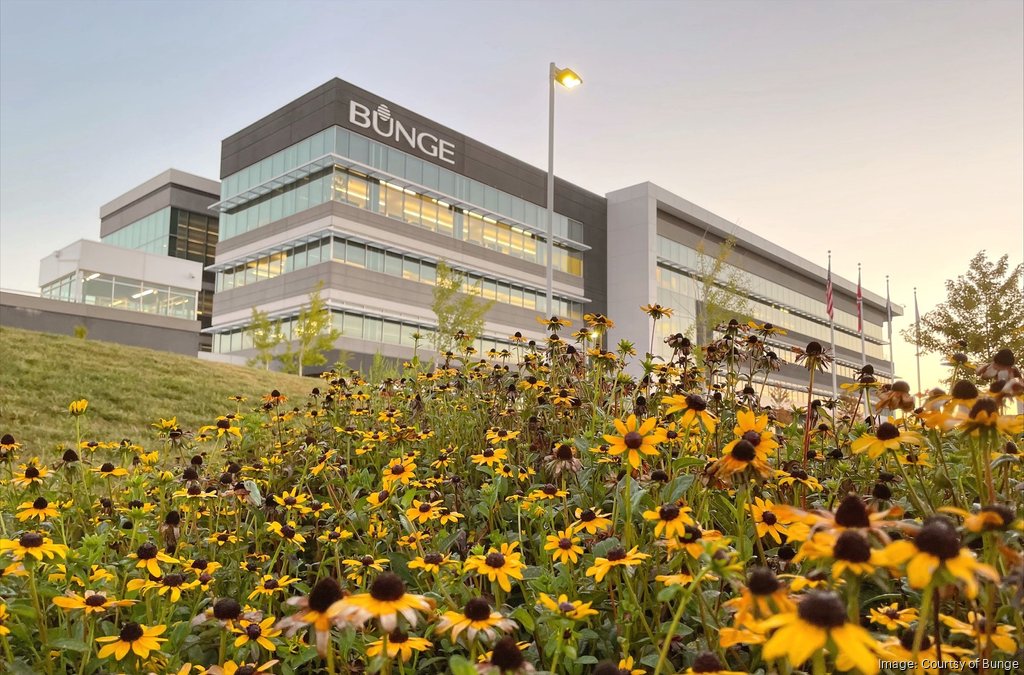
Client: Bunge, an international agribusiness group with industrial operations across multiple countries.
Context
Bunge uses work permits to manage activities at industrial plants across different countries and languages. Each permit records the work, its location, the conditions under which it can proceed and the approvals it requires. The system supports both safety procedures and daily operations.
An external vendor had built the existing application in VB.NET. Over time, it had become slow and difficult to maintain, with functional bugs and security issues. Bunge still depended on it to run the permit process.
Bunge asked Outmatic to improve reliability and performance without replacing the application or interrupting its use. The changes also had to remain compatible with Bunge’s multi-site, multilingual infrastructure.
The challenge
The application had a monolithic architecture, with business logic and presentation tightly coupled. The SQL database had no indexes, and there were no automated tests. These conditions made even small changes difficult to implement and verify.
Because the application supported safety procedures, changes had to account for their effect on approvals, access and work at the plants.
Approach
We reviewed the codebase with Bunge’s IT team to understand how the system worked and prioritise functional, security and performance issues.
We modernised the application incrementally, addressing existing problems and introducing tests before extending its functionality.
The technical changes included:
React replaced the tightly coupled front-end to provide a responsive, modular interface.
.NET remained on the back-end. We separated it from the front-end and clarified responsibilities within the application layers.
An automated test suite was introduced to check the existing behaviour and subsequent changes.
Solution and delivery
The project moved through two connected phases.
The first phase focused on the existing application. We fixed functional and security bugs and added tests around the areas we changed, improving stability while retaining the system Bunge already used.
In the second phase, we added mobile signatures from phones and tablets. Staff could approve and sign permits at the work location, reducing the time spent moving between the plant and offices and recording approvals directly in the system.
We worked with Bunge’s IT team throughout both phases, planning changes around the need to keep the application available.
Results
- Around 40% faster operations on the main workflows.
- Roughly 70% fewer critical production issues following the refactoring and introduction of automated tests.
- Improved security and clearer access control.
- Shorter maintenance cycles with a modular, tested codebase.
- Mobile signatures on phones and tablets, saving hours in the daily permit process.
- An updated architecture that supports further development of the existing application.
Bunge’s internal feedback described improvements in stability, usability and reliability.